Map the checkpoints before drawing
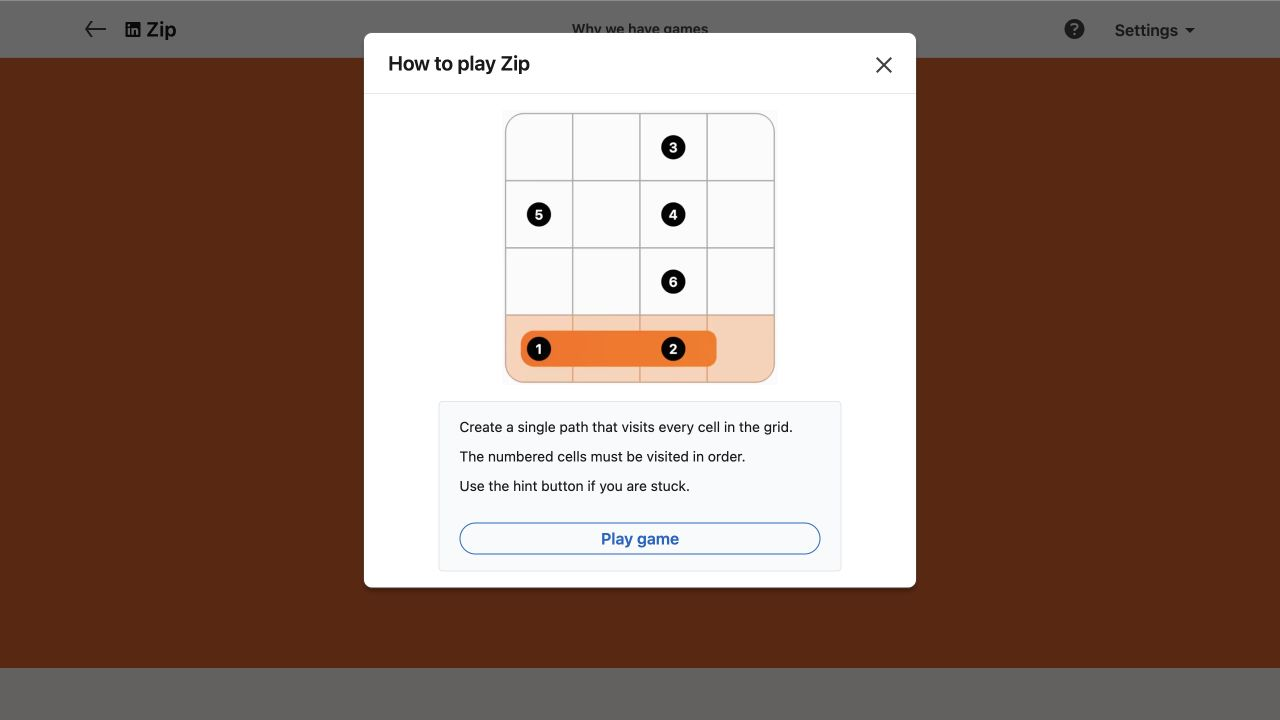
Start by locating 1, the final number, and every checkpoint between them. Imagine the board as segments: 1 to 2, 2 to 3, and so on. Each segment must use available cells without stealing space needed later. A pair of consecutive numbers placed close together may still require a long detour if direct travel would isolate a corner or block the only route into another region.
Check whether a numbered cell sits on an edge, in a corner, or beside walls. Unless it is the start or finish, the completed path normally needs one entrance and one exit. Limited access can force the directions used around that checkpoint. Solving these local connection requirements first gives the broader route a stable skeleton instead of making the entire board one large guess.